In a world that often moves too fast…
In a world that often moves too fast, art and movement offer a return to the body—a return to safety.
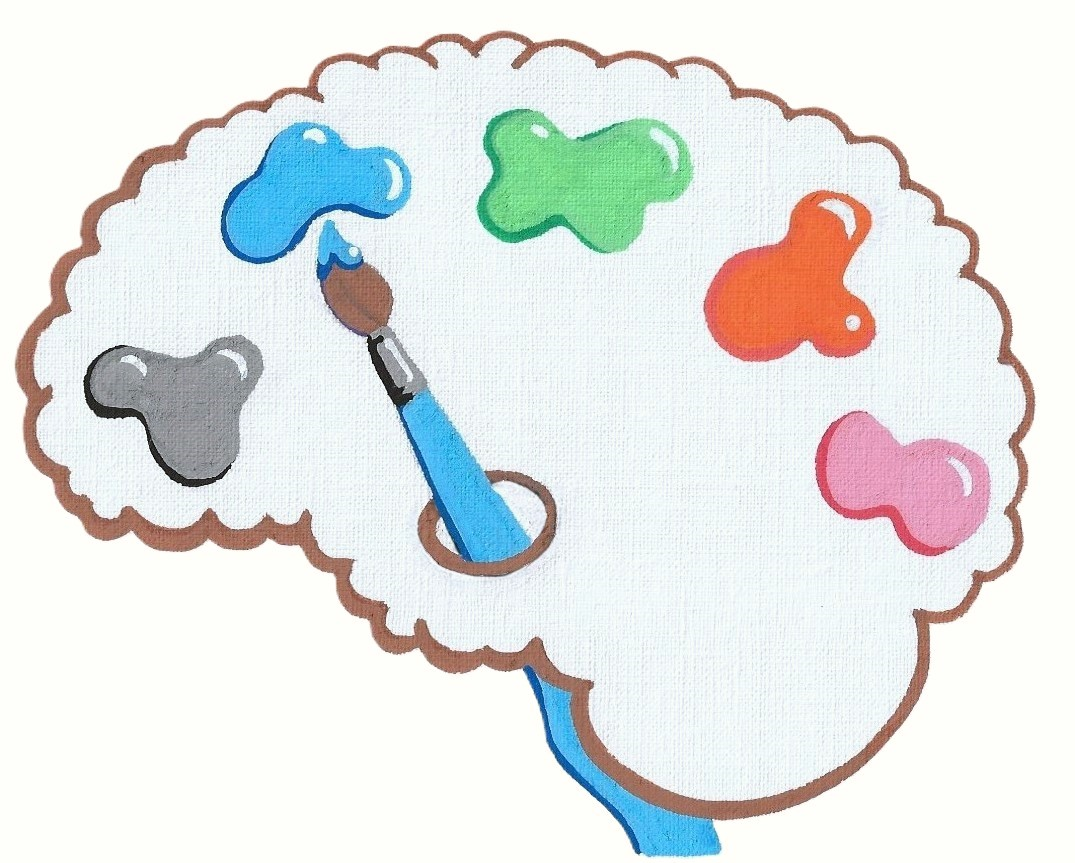
Art therapy, a creative and expressive form of psychotherapy, invites people to explore their inner world through visual art. When paired with bilateral stimulation—a technique used to activate both hemispheres of the brain—it becomes more than just a form of expression. It becomes a gateway to healing, emotional regulation, and deeper integration of past experiences.
What Is Art Therapy?
Art therapy isn’t about creating something “good.” It’s about the experience of creating something and allowing ourselves to play.
Through painting, drawing, sculpting, or even collaging, individuals are guided by a trained art therapist to explore emotions, memories, and internal conflicts that may be difficult to articulate with words.
For trauma survivors, in particular, traditional talk therapy can feel overwhelming or even inaccessible. Art therapy offers another route—one that works through nonverbals and guided art directives to help foster a sense of safety and connection through dialogue between the client, the artwork, and the counselor.
What Is Bilateral Stimulation?
Bilateral stimulation (BLS) involves alternating stimulation of the left and right sides of the body, typically through:
-
Eye movements (as in EMDR therapy)
-
Tapping (self-administered or therapist-guided)
-
Auditory cues (tones or sounds alternating between ears)
-
Movement (like walking or drumming)
BLS is most widely known from EMDR (Eye Movement Desensitization and Reprocessing), a therapy developed to help people process traumatic memories. The idea is that by rhythmically activating both hemispheres of the brain, the nervous system enters a more regulated, adaptive state where it can “digest” overwhelming experiences and form new, healthier neural connections.
Where Art Meets Bilateral Movement
So what happens when you combine the healing potential of art therapy with the neurological activation of bilateral stimulation?
You get a practice that not only expresses emotion, but also processes it.
Here’s how the two can integrate:
-
Alternating brush strokes or coloring from left to right in a rhythmic pattern
-
Using both hands to draw or paint simultaneously
-
Bilateral drumming or tapping while creating
-
Walking or swaying side-to-side during or before art-making
-
Listening to alternating auditory tones while working on an art piece
These practices help the body stay grounded while emotions rise to the surface. They can also assist in unlocking deeper memories or feelings that may be stored somatically.
Why It Works: The Neuroscience Behind It
Our brains are naturally wired to seek integration. Traumatic or intense emotional experiences can fragment that process, leaving pieces of memory, emotion, and body sensation “stuck.”
Bilateral stimulation appears to facilitate interhemispheric communication, helping us process those fragments. When paired with the visual and sensory engagement of art, this can be incredibly powerful. The creative act becomes a somatic anchor—a way to stay present while navigating the inner landscape.
Practical Examples of Art & Bilateral Stimulation
You don’t need to be in a clinical setting to try this. Here are a few ways to begin:
-
Two-Hand Drawing
Use both hands at once, drawing mirror images or whatever arises. Focus on the feeling of balance and rhythm. -
Tapping While Creating
Use bilateral tapping (on shoulders, thighs, or knees) as you draw or paint. Try tapping in sync with brush strokes. -
Walking & Reflecting
Take a bilateral walk (left-right, naturally) while thinking about an image or emotion you want to explore. Afterwards, create an artwork based on what surfaced. -
Rhythmic Painting or Drawing
Use long, sweeping, left-to-right motions with your brush, hand, pen or pencil. Let the movement guide the art, rather than focusing on outcome.
Who Can Benefit?
-
People with PTSD or trauma history
-
Individuals with anxiety or depression
-
Those seeking emotional regulation
-
Anyone who struggles to verbalize their experiences
-
Artists and creatives looking for deeper emotional access
Art therapy combined with bilateral stimulation can be particularly effective for children, neurodivergent individuals, or anyone who processes the world somatically.
Final Thoughts: Art As a Bridge
Healing isn’t linear—and it isn’t always verbal. By bringing together bilateral stimulation and the creative freedom of art therapy, we allow ourselves to process pain not just mentally, but bodily and emotionally.
It’s not about what’s on the canvas—it’s about the experience and exploration.
If you’ve been feeling stuck, overwhelmed, or out of sync with yourself, this integrative approach might be the gentle doorway back to your center.
References:
American Art Therapy Association. (n.d.). About art therapy. https://arttherapy.org
American Psychological Association. (2017). Clinical practice guideline for the treatment of posttraumatic stress disorder (PTSD) in adults. https://www.apa.org
British Association of Art Therapists. (n.d.). What is art therapy? https://baat.org
Lee, C. W., & Cuijpers, P. (2013). A meta-analysis of the contribution of eye movements in processing emotional memories. Journal of Behavior Therapy and Experimental Psychiatry, 44(2), 231–239. https://doi.org/10.1016/j.jbtep.2012.11.001
Lanius, R. A., Vermetten, E., & Pain, C. (Eds.). (2010). The impact of early life trauma on health and disease: The hidden epidemic. Cambridge University Press.
Malchiodi, C. A. (Ed.). (2003). The handbook of art therapy. Guilford Press.
Malchiodi, C. A. (2015). Creative interventions with traumatized children. Guilford Press.
Malchiodi, C. A. (2015). Art therapy and the neuroscience of relationships, creativity, and resilience. W. W. Norton & Company.
Perry, B. D. (2006). Applying principles of neurodevelopment to clinical work with maltreated and traumatized children. In N. B. Webb (Ed.), Working with traumatized youth in child welfare (pp. 27–52). Guilford Press.
Porges, S. W. (2011). The polyvagal theory: Neurophysiological foundations of emotions, attachment, communication, and self-regulation. W. W. Norton & Company.
Shapiro, F. (2018). Eye movement desensitization and reprocessing (EMDR) therapy: Basic principles, protocols, and procedures (3rd ed.). Guilford Press.
van den Hout, M., & Engelhard, I. (2012). How does EMDR work? Journal of Experimental Psychopathology, 3(5), 724–738. https://doi.org/10.5127/jep.028212
van der Kolk, B. A. (2014). The body keeps the score: Brain, mind, and body in the healing of trauma. Viking.
World Health Organization. (2013). Guidelines for the management of conditions specifically related to stress. World Health Organization. https://www.who.int
Interested in trying it for yourself? Contact me at Mindful Artistry LLC!